Green Walls Dubai: Complete Guide to Installation, Cost, Plants, and Maintenance
Green walls Dubai are rapidly transforming the way residential, commercial, and hospitality spaces are designed across the UAE. With limited natural greenery and extreme climatic conditions, vertical gardens have become one of the most effective solutions for adding nature back into urban environments.
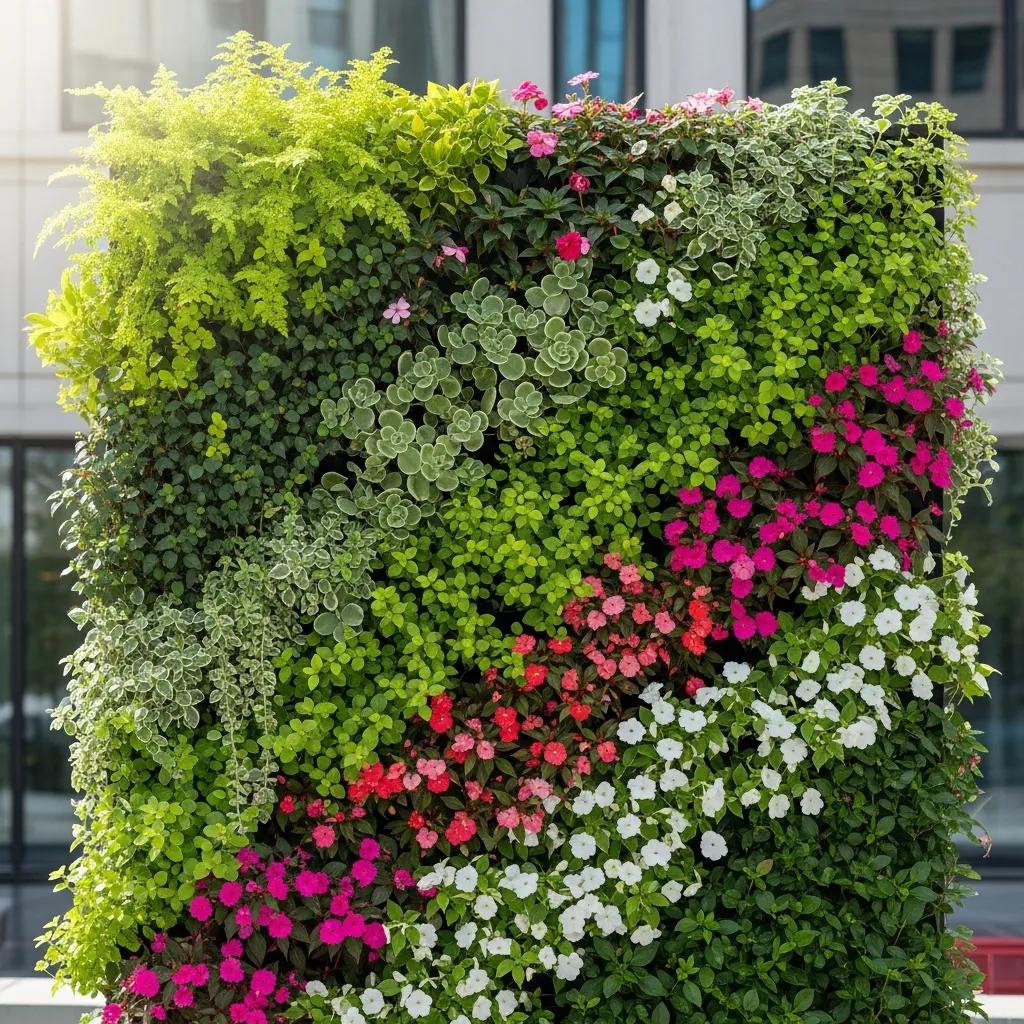
A green wall, also known as a vertical garden or living wall, allows plants to grow vertically on specially designed structures. These systems not only enhance aesthetics but also improve air quality, reduce heat, and contribute to sustainable building design. In Dubai, green walls are now widely used in villas, hotels, offices, restaurants, and public spaces.
What Are Green Walls in Dubai?
Green walls Dubai refer to vertical systems where plants are grown on building walls using modular panels, hydroponic systems, or structured frameworks. Unlike traditional landscaping, green walls maximize greenery in limited space by growing upwards instead of outwards.
These systems are designed with irrigation support, root containment layers, and structural protection to ensure plants survive in Dubai’s hot and dry climate.
Benefits of Green Walls Dubai
Green walls provide both environmental and visual benefits, making them a valuable addition to modern architecture.
One of the most important advantages is temperature control. In Dubai’s extreme heat, green walls help reduce surface temperature on buildings, which directly lowers indoor cooling demand.
They also significantly improve air quality by filtering dust and absorbing carbon dioxide. This is especially important in urban areas with high construction activity and traffic pollution.
From a design perspective, green walls Dubai add a luxury natural look that enhances property value and creates a strong visual impact. Many high-end villas and commercial buildings now use them as signature design features.
Additionally, green walls help reduce noise pollution and create a calming environment, making them ideal for hospitality and residential spaces.
Types of Green Walls Dubai Systems
Different systems are used depending on design goals and maintenance requirements.
Modular panel systems are the most commonly used in Dubai. These come as pre-planted panels that are fixed onto a structural frame, making installation and replacement easier.
Hydroponic green walls are soil-free systems where plants grow using nutrient-rich water solutions. These systems are highly efficient and suitable for modern commercial buildings.
Trellis-based systems are used for climbing plants such as bougainvillea and jasmine. These are more natural and cost-effective but require more time to grow.
Felt pocket systems use fabric layers where plants are inserted into pockets filled with growing medium. These are lightweight and flexible, often used for indoor applications.
Best Plants for Green Walls Dubai
Plant selection is critical for success in Dubai’s climate.
For indoor green walls, plants such as pothos, spider plants, philodendrons, and peace lilies are commonly used. These species thrive in controlled environments with lower light conditions.
Outdoor green walls Dubai require more heat-resistant plants. Bougainvillea is one of the most popular choices due to its vibrant flowers and strong resistance to heat. Other suitable plants include ficus varieties, jasmine, ivy, and dwarf palm species.
For low-water environments, succulents and drought-tolerant plants like aloe vera and sedum are excellent choices. These reduce irrigation needs and maintenance costs.
Green Walls Dubai Cost
The cost of green walls Dubai varies depending on system type, plant selection, and design complexity.
On average, installation costs range between 1500 AED to 2500 AED per square meter. This includes structure, irrigation system, plants, and installation labor.
Several factors influence pricing. Larger walls require more materials and labor. Premium or mature plants increase cost. Automated irrigation systems also add to initial investment but reduce long-term maintenance.
Complex custom designs or walls with special lighting and structural features will also increase total cost.
Green Walls Dubai Installation Process
The installation of a green wall follows a structured process to ensure durability and plant health.
First, a site inspection is conducted to analyze sunlight exposure, wall strength, and environmental conditions. This helps determine the right system and plant selection.
Next, a structural frame is installed on the wall, followed by waterproofing to protect the building from moisture damage.
After the base system is ready, planting modules or climbing structures are installed. Plants are carefully arranged based on design layout and growth patterns.
Finally, an irrigation system is installed. Most green walls Dubai use drip irrigation or automated watering systems to maintain consistent moisture levels.
Irrigation Systems for Green Walls Dubai
Proper irrigation is essential for maintaining healthy vertical gardens.
Drip irrigation systems are the most commonly used method. They deliver water directly to plant roots in controlled amounts, reducing water waste.
Automated irrigation systems use timers and sensors to regulate watering schedules. These systems are highly efficient and reduce manual maintenance.
Hydroponic systems circulate nutrient-rich water continuously, making them ideal for large commercial installations.
Maintenance of Green Walls Dubai
Regular maintenance ensures long-term success of green walls.
Watering should be monitored weekly, especially during hotter months. Automated systems make this process more consistent.
Pruning is required monthly to control plant growth and maintain structure. This also encourages healthy new growth.
Fertilization should be done every six to eight weeks using organic or slow-release fertilizers.
Pest monitoring is also important, as insects like aphids and spider mites can affect plant health if not controlled early.
Common Problems in Green Walls Dubai
One of the most common issues is overwatering, which can lead to root rot and fungal growth.
Underwatering is another issue, especially in outdoor systems exposed to high heat.
Poor plant selection often leads to early failure, especially when non-native plants are used in harsh conditions.
Irrigation system failure can also damage large sections of a green wall if not maintained properly.
Heat stress is a major challenge in Dubai, making plant selection and irrigation design extremely important.
Why Green Walls Dubai Are Growing in Demand
Green walls are becoming a key part of modern architecture in Dubai due to their environmental and aesthetic value.
They help reduce building heat loads, improve sustainability ratings, and enhance property appeal. As Dubai continues to focus on green building initiatives, vertical gardens are becoming a standard feature in both residential and commercial developments.
When planning a garden based on the latest Garden Landscaping Trends in Dubai for 2026, sourcing quality materials and plants is essential for achieving the best results. Homeowners and landscape professionals often visit Souq Garden Dubai to find a wide range of plants, trees, decorative pots, landscaping materials, poolside greenery, green wall plants, irrigation supplies, and outdoor garden accessories. Whether you’re creating a lush villa garden, a modern pool landscape, a vertical green wall, or a complete outdoor living space, Souq Garden offers products and inspiration to help transform your vision into a beautiful and functional landscape.
Conclusion
Green walls Dubai represent a perfect blend of design, sustainability, and functionality. They transform ordinary walls into living ecosystems that improve air quality, reduce heat, and enhance visual appeal.
With the right plant selection, proper irrigation system, and regular maintenance, green walls can last for many years and provide continuous environmental benefits.
As urban spaces continue to grow, vertical gardens will play an increasingly important role in shaping a greener and more sustainable Dubai.
What are green walls Dubai?
Green walls Dubai are vertical garden systems where plants are grown on building walls using modular panels, hydroponic systems, or structured frameworks to create living greenery in urban spaces.
How much do green walls cost in Dubai?
The average cost of green walls Dubai ranges from AED 1,500 to AED 2,500 per square meter, depending on system type, plant selection, irrigation setup, and design complexity.
What are the best plants for green walls in Dubai climate?
Popular plants include bougainvillea, ficus, jasmine, pothos, spider plants, and succulents, as they tolerate heat and adapt well to UAE conditions.
Are green walls suitable for indoor spaces?
Yes, indoor green walls Dubai are very common and use low-light plants like pothos, philodendron, peace lily, and spider plants that thrive in controlled environments.
How often do green walls need maintenance?
Maintenance is usually required weekly for watering checks, monthly for pruning, and every 6–8 weeks for fertilization, depending on plant type and system.
Do green walls help reduce heat in buildings?
Yes, green walls Dubai help reduce surface temperature, provide natural insulation, and can lower indoor cooling costs by reducing heat transfer.
What irrigation system is best for green walls?
Drip irrigation and automated smart watering systems are most effective for green walls Dubai, ensuring consistent moisture and reducing maintenance effort.
Can green walls survive Dubai’s hot weather?
Yes, when designed correctly with heat-resistant plants and proper irrigation systems, green walls can thrive even in Dubai’s extreme climate.
Do green walls require professional installation?
Small systems can be DIY, but for long-lasting results, especially in Dubai, professional installation is recommended for structural safety and plant survival.
Are green walls approved by Dubai Municipality?
Yes, green wall installations must follow Dubai Municipality landscaping and irrigation guidelines to ensure proper safety, water management, and environmental compliance.
📞 Phone: +971 58 512 0600
📧 Email: contact@sunscape.me

