

🏗️ Guide for Administrators Before Starting Building Projects
In today’s competitive construction and development environment, administrators face increasing pressure to manage budgets, evaluate investment requests, and ensure high-quality yet cost-effective project delivery.
A structured building project planning guide helps administrators make informed decisions, reduce risks, and ensure projects are executed efficiently from concept to completion.
Why Planning Matters Before Starting a Building Project
Proper planning is the foundation of any successful construction project.
Without clear planning, projects often face delays, cost overruns, and design conflicts.
Administrators play a key role in ensuring that resources are allocated correctly and expectations are clearly defined from the beginning.
A well-structured plan improves efficiency and reduces long-term financial risk.
Evaluating Investment Requests Effectively
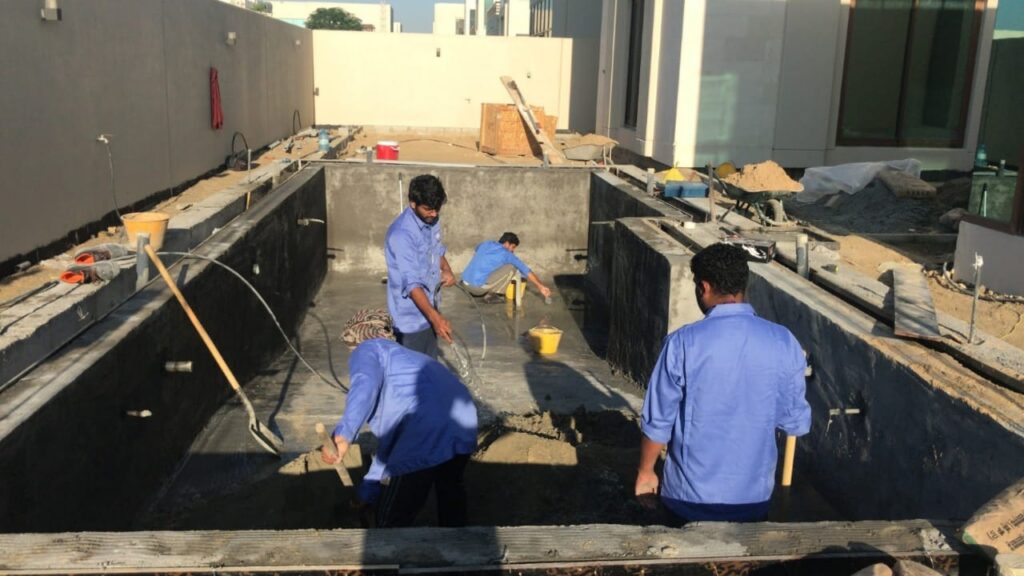
One of the biggest challenges for administrators is handling multiple investment requests.
Each request must be evaluated based on return on investment, feasibility, and long-term value.
It is important to prioritize projects that align with organizational goals and budget capacity.
Clear documentation and structured evaluation frameworks help in making balanced decisions.
Cost Control in Building Projects
Cost management is a critical part of any building project planning guide.
Accurate budgeting must include construction, materials, labor, approvals, and maintenance.
Unexpected costs can be reduced through detailed feasibility studies and risk assessments.
Value engineering techniques help reduce costs without compromising quality.
Ensuring World-Class Yet Affordable Delivery
Modern construction projects aim to balance quality and affordability.
This requires selecting the right materials, contractors, and design approach.
Standardization of processes helps maintain consistency and reduce waste.
Technology such as BIM (Building Information Modeling) improves accuracy and coordination.
Key Steps in Building Project Planning
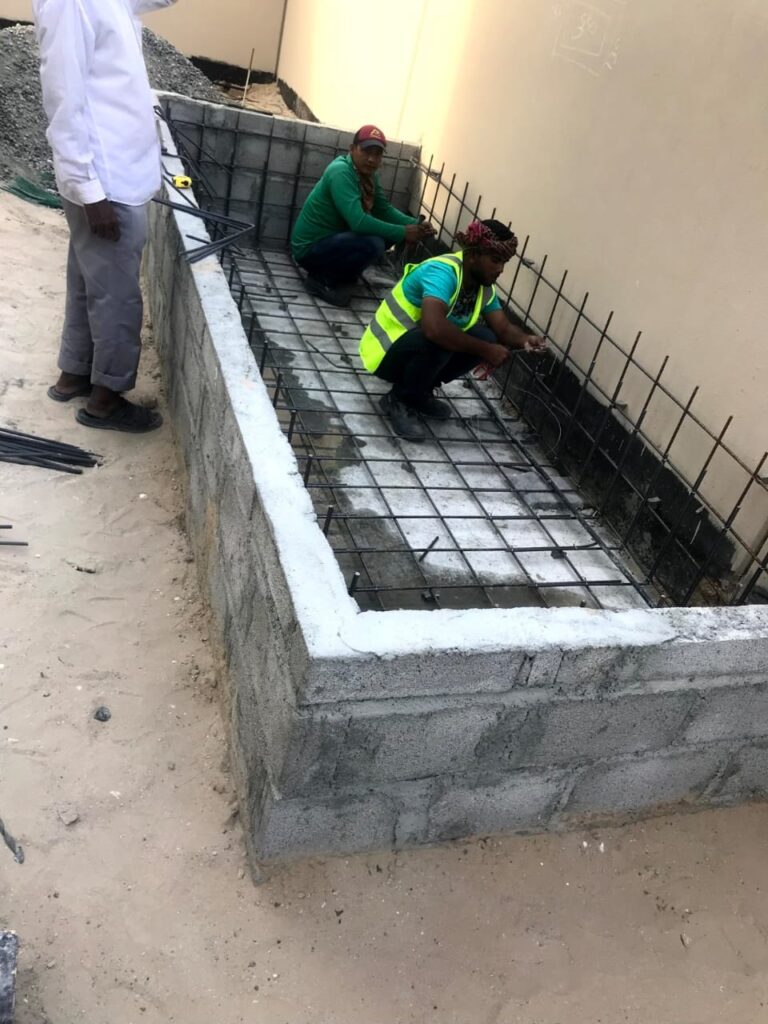
A structured approach ensures smooth project execution.
Initial feasibility study evaluates technical and financial viability.
Concept design defines the project vision and scope.
Detailed planning includes budgeting, scheduling, and approvals.
Execution planning ensures smooth coordination between teams.
Final review confirms readiness before construction begins.
Risk Management in Construction Projects
Every building project carries potential risks.
These include budget overruns, design changes, and supply delays.
Early identification of risks allows better mitigation strategies.
Contingency planning ensures projects stay on track even during unexpected challenges.
Importance of Stakeholder Coordination
Successful projects depend on clear communication between stakeholders.
Administrators must coordinate with architects, engineers, contractors, and investors.
Regular reporting ensures transparency and accountability.
Strong coordination reduces misunderstandings and project delays.
Technology in Modern Project Planning
Digital tools have transformed building project management.
Project management software improves scheduling and tracking.
3D modeling helps visualize outcomes before construction begins.
Data-driven decision-making improves cost accuracy.
Technology ensures better efficiency and reduced errors.
Conclusion
A strong building project planning guide is essential for administrators managing modern construction demands.
By focusing on investment evaluation, cost control, risk management, and structured execution, organizations can achieve world-class results while maintaining affordability.
Proper planning is not just preparation—it is the foundation of successful project delivery.
Balancing Quality, Cost, and Speed
One of the biggest challenges administrators face is maintaining the balance between quality, cost, and speed. While there is often pressure to deliver quickly and within budget, compromising on quality can lead to higher long-term costs.
A value engineering approach can help identify areas where costs can be optimized without affecting performance or durability. This ensures that the final outcome remains both affordable and world-class.
Conclusion
For administrators, starting a building project is a strategic responsibility that goes far beyond approvals and budgets. It requires careful planning, disciplined evaluation, and strong leadership to ensure that every project contributes positively to organizational growth.
By focusing on clear objectives, structured investment evaluation, financial control, regulatory compliance, and risk management, administrators can successfully navigate complex development environments while delivering sustainable, high-quality outcomes.
📍 Compliance Note
All building and construction projects must comply with local municipality regulations and approved engineering and safety standards to ensure legal and structural integrity.
📞 Contact Details
📞 +971 58 512 0600
📧 contact@sunscape.me
📍 Dubai, UAE