
7 Best Privacy Plants Dubai Villa Gardens Can Rely On
Privacy Plants Dubai homeowners choose can transform an exposed villa garden into a comfortable, attractive, private outdoor space. Whether the garden faces a busy road, a neighbouring property, a swimming pool, or an outdoor seating area, the right planting creates a natural green screen while adding beauty, shade, and value to the landscape — something a plain concrete wall or artificial screen simply cannot do on its own.
Dubai’s hot summers, strong sunlight, and limited rainfall make plant selection particularly important. Choosing species that genuinely tolerate the local climate and giving them proper irrigation is what turns a privacy screen into a healthy, attractive, long-term feature rather than a constant maintenance headache. This guide looks at some of the best Privacy Plants Dubai villas can use, how to choose between them, and how to bring them into a modern landscape design.
Why Use Plants for Privacy in Dubai?
A well-designed green screen offers several benefits beyond simple privacy. Tall trees, palms, shrubs, and hedges block unwanted views from neighbouring properties and roads, while green planting gives a garden a softer, more natural appearance than solid walls and fencing. Larger trees can add valuable shade for outdoor seating areas and pathways, planting along a boundary softens compound walls and makes the garden feel more welcoming, and strategically positioned plants make patios and pool decks feel genuinely secluded rather than merely fenced in.
Best Privacy Plants Dubai Homeowners Can Consider
Different areas of a villa call for different types of screening plants, and a good landscape design should weigh available space, sunlight, irrigation, maintenance requirements, and desired height before choosing. A handful of species consistently perform well outdoors in this climate.
Clusia
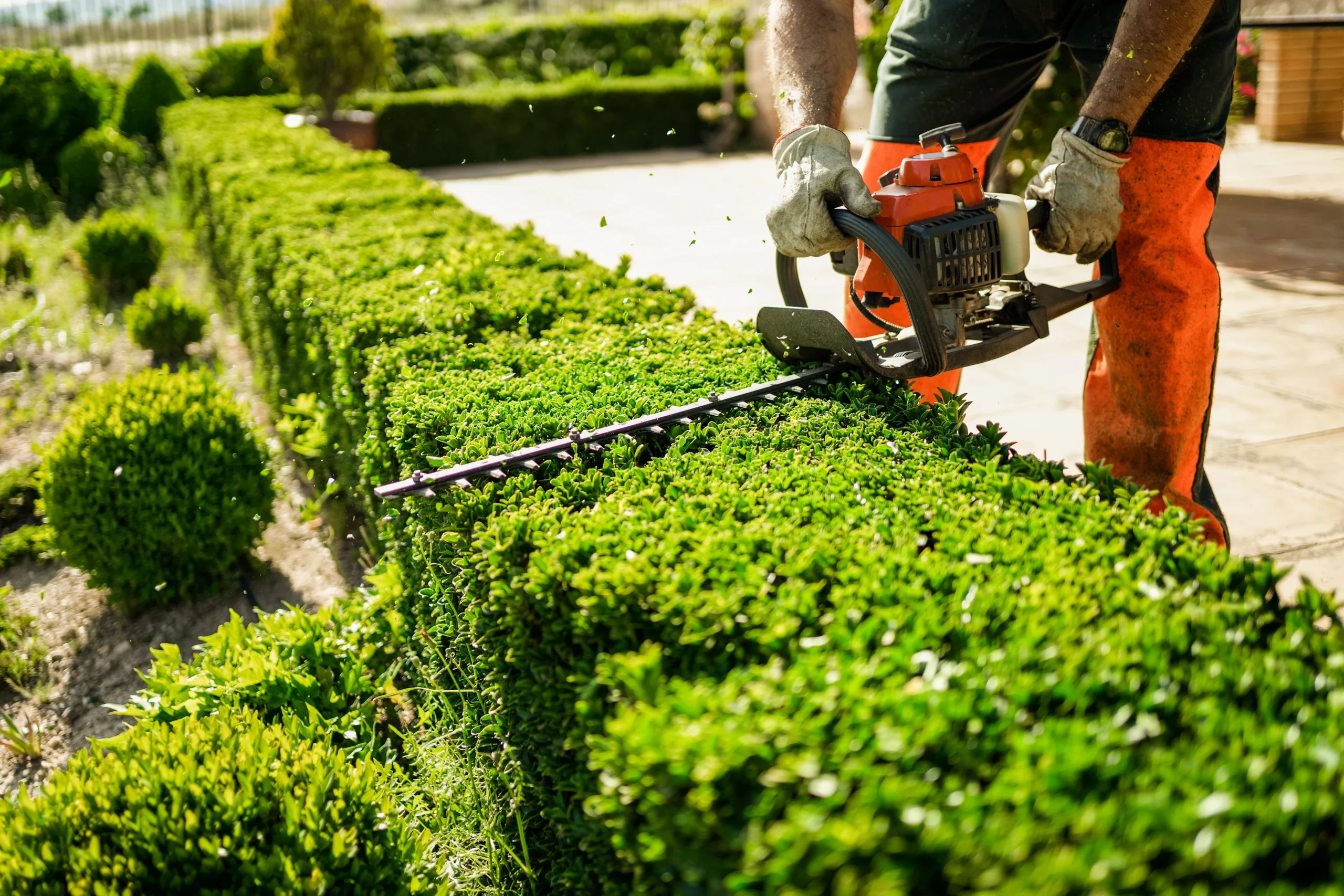
Clusia is a popular choice for dense green screening. Its thick leaves give a lush appearance and create an effective visual barrier when planted closely, and it works particularly well along villa boundaries, maintained as a hedge with regular trimming. Clusia suits dense hedges, boundary screening, pool areas, and general villa gardens.
Podocarpus
Podocarpus is an excellent option for formal privacy planting, with a neat, evergreen appearance that can be shaped and maintained at different heights. Its upright growth makes it useful where privacy is needed without giving up much horizontal garden space, and it suits narrow boundaries, formal gardens, and modern villa landscapes especially well.
Ficus
Ficus varieties create substantial screening where enough space is available, providing a tall, dense green backdrop depending on the variety and planting arrangement. Because ficus can grow large, professional planning matters to make sure there is adequate space for root development and long-term growth — it suits large villa gardens and boundary planting particularly well.
Bougainvillea
Bougainvillea is one of the most recognisable and reliably outdoor-hardy plants in the UAE. Its colourful flowers and vigorous growth make it useful for screening walls, fences, pergolas, and boundaries, and it particularly suits homeowners who want privacy combined with seasonal colour.
Plumeria
Plumeria adds a genuinely beautiful architectural element to a villa garden and tolerates full Dubai sun well. Its attractive branching and fragrant flowers make it especially appealing near outdoor living areas, and while it will not give the same dense screening as a hedge on its own, it combines well with lower shrubs to build a layered privacy design around feature planting and seating areas.
Oleander
Oleander works as a flowering hedge or screening plant when properly maintained, suits sunny locations well, and can create a colourful landscape boundary. It is worth remembering that oleander is toxic if ingested, so it should be chosen carefully around children and pets.
Areca Palm — Best Used With Some Shade
Areca Palm is often suggested for tropical-looking privacy screening thanks to its multiple stems and feather-like leaves, but it is genuinely an indoor or heavily shaded plant rather than a full-sun outdoor performer in Dubai. Placed in direct, unshaded exposure around an open pool deck or terrace, it scorches and struggles regardless of irrigation. It works far better in a partially shaded courtyard, beneath a pergola, or along a wall that only receives morning sun — used this way it still contributes real screening and texture without the constant stress of fighting full desert sun.
How to Choose the Right Privacy Plants for Your Villa
Choosing Privacy Plants Dubai villas will still look good with in a few years should never be based on appearance alone. Start by checking the width of the planting area, since some trees need considerable space as they mature while narrow hedges suit smaller gardens better. Decide how tall the screening genuinely needs to be — roughly 1 to 1.5 metres for a low, decorative screen, 1.5 to 2.5 metres for a medium privacy screen, and 2.5 metres or more for a tall boundary screen — depending on what needs hiding and the surrounding property.
Observe how much sunlight the planting area receives through the day, since some plants perform best in full sun while others genuinely need partial shade, and select plants according to real irrigation capacity and maintenance plans rather than an idealised one. Fast-growing plants provide quicker screening but often need more pruning, while slower-growing species need less frequent maintenance but take longer to reach the desired height — there is no single right answer, only the right trade-off for a given garden.
Layered Privacy Instead of a Single Row of Planting
One of the best approaches to villa privacy landscaping in Dubai is layered planting rather than one type of tree in a straight line. A back layer of tall trees or palms, a middle layer of dense shrubs or hedges, and a front layer of Agave, Liriope, ornamental grasses, or flowering plants creates real depth and makes the garden look considered rather than like a simple wall of greenery.
Privacy Landscaping Around Swimming Pools
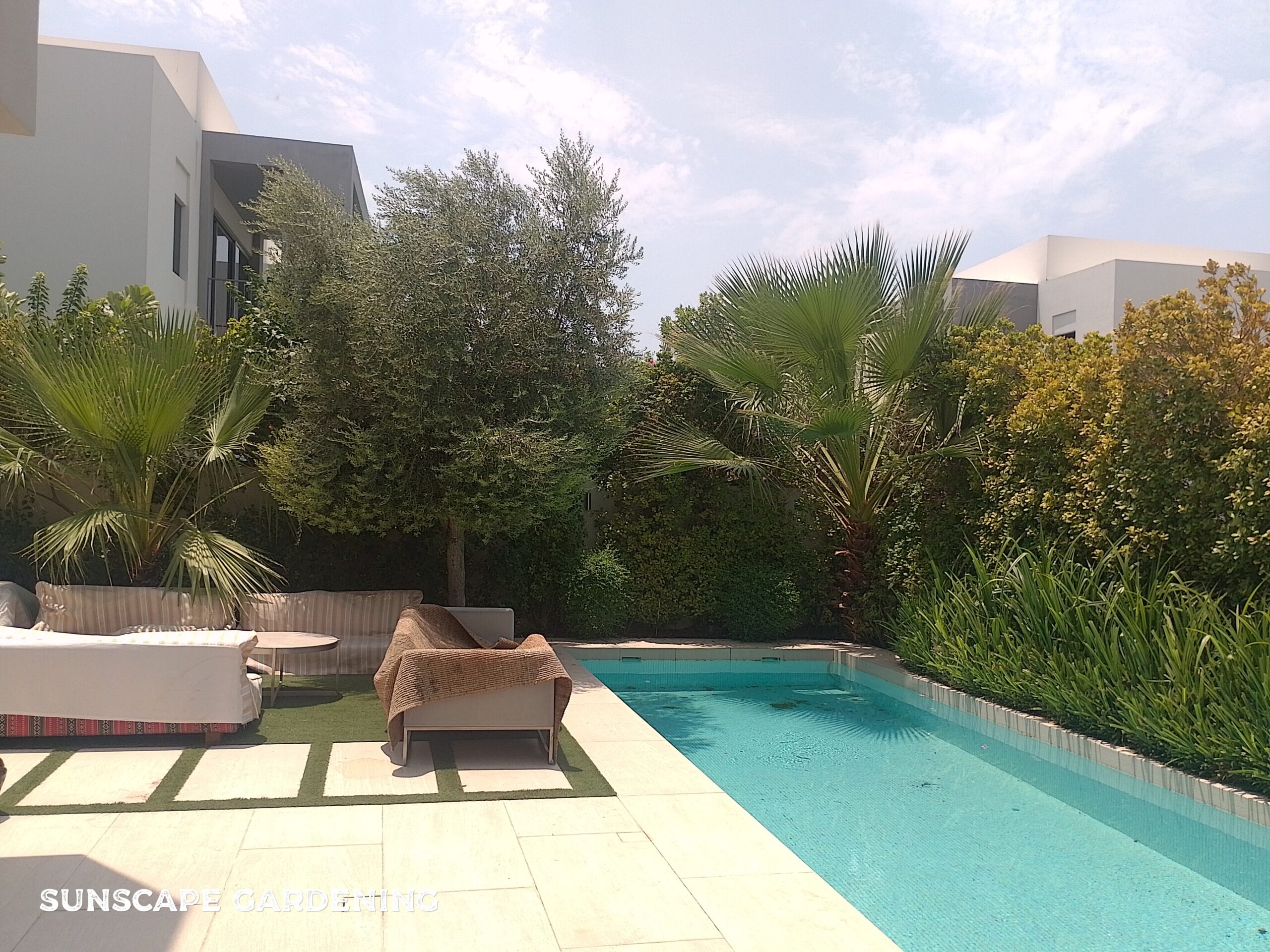
Swimming pools are one of the most common areas where homeowners want extra privacy, and plants can create a softer pool environment than a fully enclosed space. Clusia, Podocarpus, Bougainvillea, Plumeria, decorative shrubs, and ornamental grasses all work well here, with Areca Palm reserved for a shaded pocket of the pool deck rather than full sun exposure. Large trees should be kept well back from the pool unless their mature size and root characteristics have been carefully considered, and a professional landscape designer can position screening plants to provide privacy without blocking the whole pool area.
Privacy Plants for Small Dubai Villas
Small gardens need careful plant selection, since large trees can quickly make a compact space feel crowded — narrow-growing plants and vertical screening usually work better. Podocarpus, Clusia hedges, selected palms, and trellis-supported climbing plants provide privacy while using less floor space, and combining planting with a modern feature wall, pergola, or decorative screen creates privacy without sacrificing valuable garden area.
Irrigation, Pruning, and Ongoing Maintenance
Even drought-tolerant plants need proper establishment and irrigation, particularly through Dubai’s hot summer months. A well-designed irrigation system delivers water directly to the root zone and reduces unnecessary use, with drip irrigation especially useful for hedges, shrub beds, trees, boundary planting, and raised planters. Checking irrigation lines regularly for leaks, blocked emitters, and uneven watering keeps a privacy screen healthy long after installation.
Planting is only the beginning of an effective privacy screen — pruning, fertilizing, removing dead leaves, pest monitoring, irrigation checks, soil improvement, replacing unhealthy plants, and shaping hedges all keep Privacy Plants Dubai gardens looking their best. Fast-growing species need more frequent trimming, so villa owners who prefer a lower-maintenance garden generally do better choosing slower-growing plants and installing automated irrigation from the start.
Sourcing Plants and Designing a Complete Garden
When planning a villa landscape, plant quality matters as much as plant selection. Souq Garden is a useful place to explore different varieties of plants, trees, pots, and garden materials for a landscaping project — always check a plant’s mature size, sunlight requirements, and watering needs against where it will actually be planted before buying. For larger villa projects, our landscape design service can help determine the right quantity, spacing, and combination of Privacy Plants Dubai conditions actually support.
The best Privacy Plants Dubai projects combine function with genuine aesthetics; privacy should never make a garden feel closed in or overcrowded. Used strategically, plants can frame a private poolside garden, a screened outdoor dining area, a secluded seating corner, a green boundary, a private children’s play area, or a shaded garden retreat, and combining them with lighting, paving, pergolas, decorative gravel, and modern planters turns a simple barrier into a complete landscape.
Final Thoughts
Choosing the right Privacy Plants Dubai homeowners can rely on transforms an exposed villa garden into a comfortable, attractive, private outdoor space. Dense Clusia and Podocarpus hedges, Bougainvillea, Plumeria, Ficus, and Oleander all create natural screening genuinely suited to Dubai’s climate, while Areca Palm earns its place best in a shaded pocket rather than full sun. The key is weighing plant size, sunlight, irrigation, spacing, and maintenance before planting, so the privacy solution looks beautiful throughout the year rather than just for one season.
Getting a Privacy Plants Dubai Screen Right the First Time
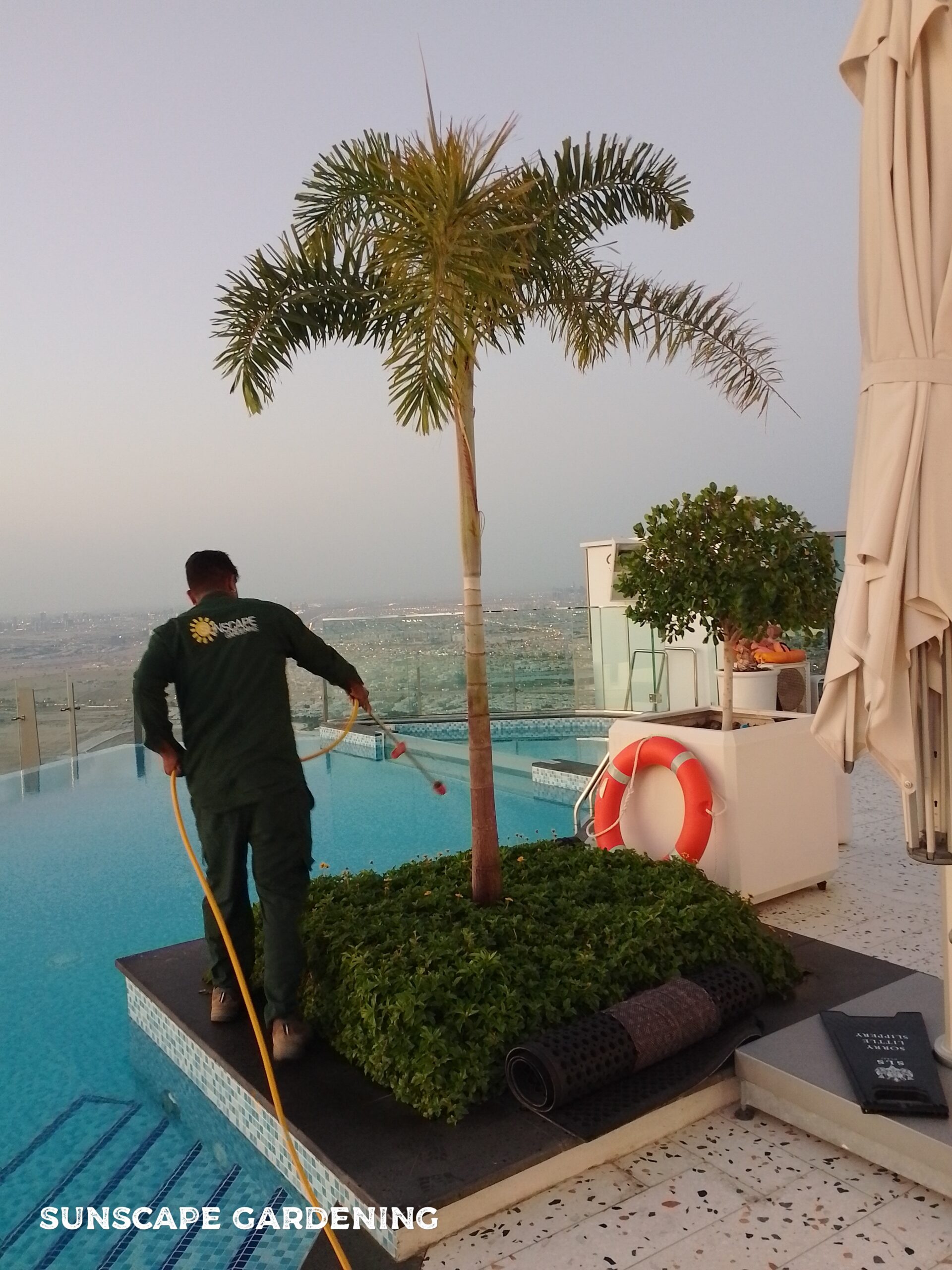
Most Privacy Plants Dubai homeowners only redesign their boundary planting once every several years, so it pays to choose genuinely outdoor-hardy species from the outset rather than replacing struggling plants every summer. A short site visit to check sun exposure and soil condition before planting is usually enough to confirm which Privacy Plants Dubai species will actually thrive in a given spot.
Seasonal upkeep for a Privacy Plants Dubai screen is light once the right species are in place: an irrigation check between summer and winter, a light prune after flowering, and the occasional replacement of a weaker specimen is usually all it takes to keep a privacy screen looking sharp for years, rather than needing a full replant every season.
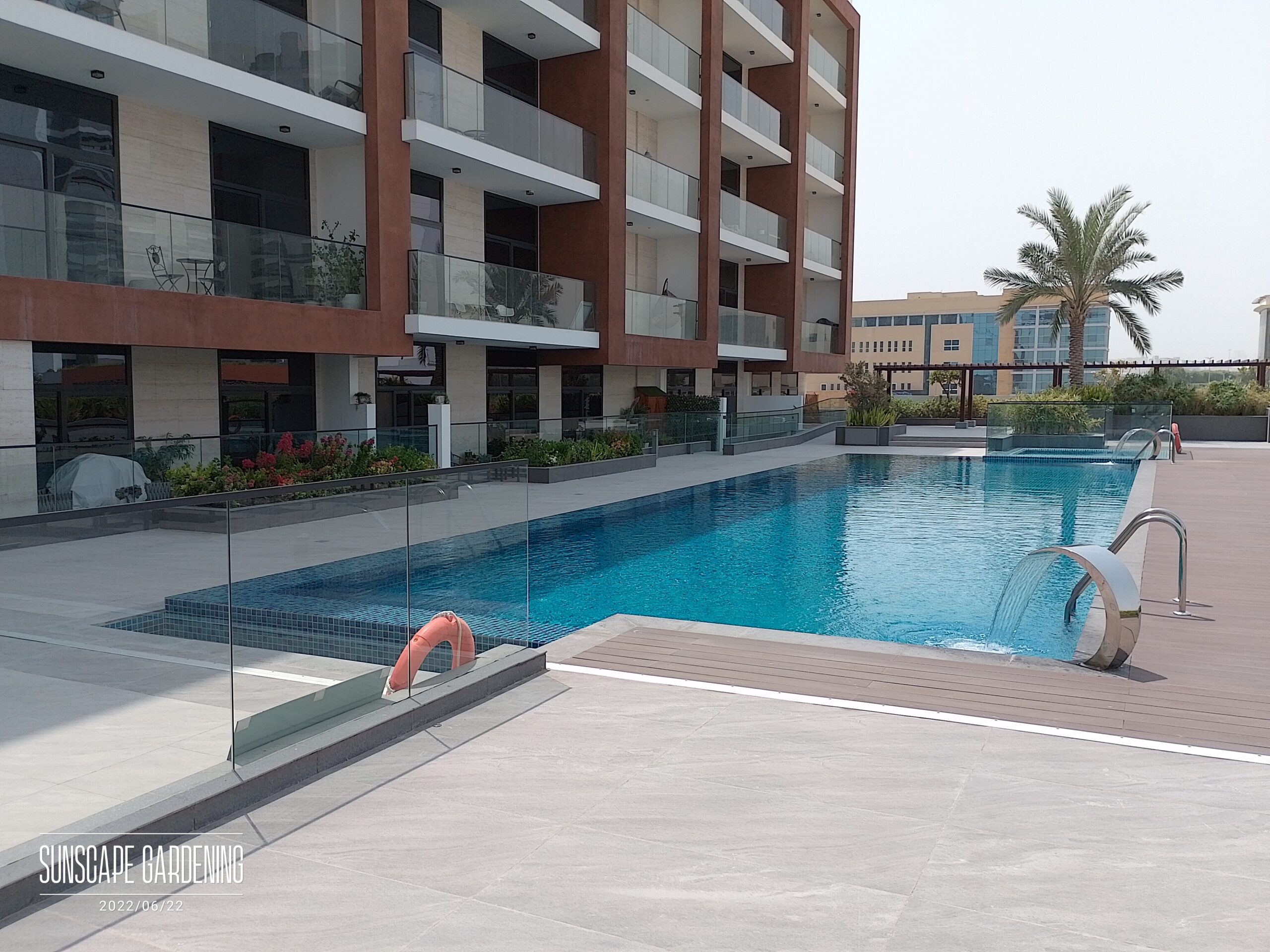
Budget also plays a role in choosing Privacy Plants Dubai species. A modest hedge refresh using Clusia or Podocarpus can often be completed within a week, while a full Privacy Plants Dubai boundary redesign involving new irrigation and layered planting naturally takes longer but pays off with a screen that still looks resort-ready years later.
Whatever the scale, a Privacy Plants Dubai project succeeds when species are matched to real sun and soil conditions first, and appearance second — that single principle is what keeps a Privacy Plants Dubai screen healthy and attractive for years rather than needing constant replacement.
Frequently Asked Questions
What are the best privacy plants for Dubai villas?
Clusia, Podocarpus, Ficus, Bougainvillea, Plumeria, and Oleander are all genuinely outdoor-hardy choices, while Areca Palm performs best with some shade. The best option depends on available space, desired height, sunlight, and maintenance requirements.
Which privacy plants grow well in Dubai’s hot climate?
Clusia, Bougainvillea, Podocarpus, and Plumeria all tolerate strong sunlight and Dubai’s heat well when given proper irrigation and soil preparation.
How tall should privacy plants be?
The required height depends on the area being screened. Medium hedges may suit some seating areas, while taller trees or layered planting are usually needed for boundaries overlooking neighbouring properties.
Is Areca Palm suitable around swimming pools?
Only in a shaded pocket of the pool deck. Areca Palm is genuinely an indoor or shade-loving plant and struggles in full sun exposure, so Clusia or Podocarpus are usually better choices for an open, sunny poolside position.
How often should privacy hedges be trimmed in Dubai?
The frequency depends on the species and growth rate. Fast-growing hedges may need more frequent pruning, while slower-growing varieties generally require less maintenance.
Where can I buy plants for villa landscaping in Dubai?
Souq Garden is a useful option for plants, trees, pots, and other garden materials. For a complete villa landscape, professional plant selection and installation helps ensure proper spacing and long-term growth.
